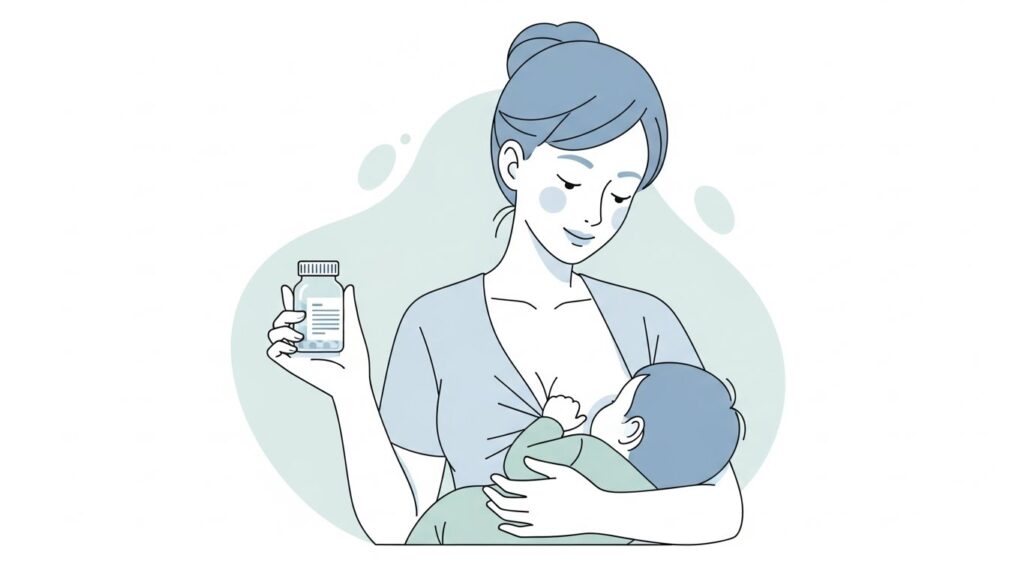
Safe Medications While Breastfeeding: What Mothers Need to Know
Breastfeeding mothers often worry about the safety of medications. While many drugs are safe, some can pass into breast milk and affect the infant. Understanding how to evaluate medication safety is essential for a healthy mother and baby.
Why Medication Safety Matters During Breastfeeding
Drugs taken by the mother can enter breast milk and reach the baby. While most medications are present in very small amounts, some can cause side effects or developmental issues if not used carefully.
Factors Affecting Drug Safety in Breastfeeding
- Timing of the dose relative to breastfeeding sessions
- Drug concentration in milk and maternal plasma
- Infant age and health
- Duration of therapy
Common Safe Medications
Many medications are considered compatible with breastfeeding, including:
- Paracetamol (Acetaminophen)
- Most antibiotics such as penicillin and cephalosporins
- Some antihistamines (non-sedating)
Always consult your doctor or pharmacist before taking any medication while breastfeeding. When in doubt, check a trusted breastfeeding medication safety tool.
Use our Breastfeeding Medication Safety Search Tool
Tips for Safe Medication Use While Nursing
- Take the medication right after breastfeeding to minimize exposure
- Avoid long-term use of medications not recommended for nursing
- Monitor the baby for unusual symptoms
- Prefer medications with low milk-to-plasma ratio
Medical Disclaimer:
This article is for educational purposes only and is not a substitute for professional medical advice. Always consult a healthcare professional before taking any medications while breastfeeding.