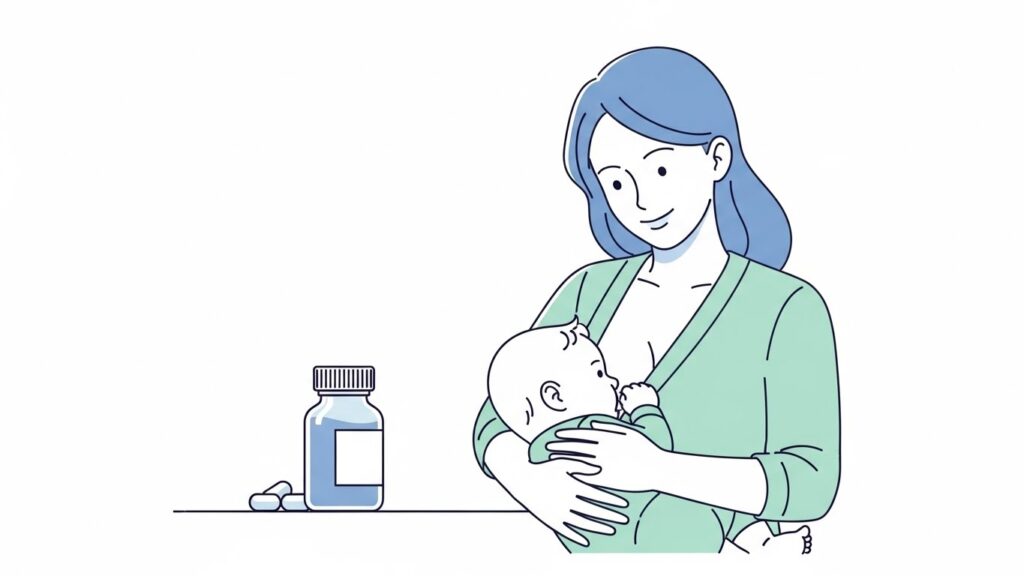
How Drugs Pass Into Breast Milk: A Guide for Nursing Mothers
Many nursing mothers wonder how medications they take may affect their baby. While some drugs are safe, others can pass into breast milk in amounts that may impact the infant. Understanding this process helps mothers make informed decisions.
How Medications Transfer to Breast Milk
Drugs pass into breast milk primarily through diffusion from the maternal bloodstream. The extent of transfer depends on several factors including the drug’s chemical properties and maternal metabolism.
Factors That Affect Drug Transfer
- Molecular size: Smaller molecules pass more easily.
- Protein binding: Drugs bound to maternal proteins are less likely to transfer.
- Fat solubility: Lipid-soluble drugs can accumulate in milk fat.
- pH levels: Drugs with certain pH may concentrate more in milk.
- Dosage and timing: Higher doses or frequent administration increase exposure.
Minimizing Risks While Nursing
To reduce potential risk to the infant:
- Take medications immediately after breastfeeding
- Use the lowest effective dose for the shortest time
- Prefer drugs with established safety records in breastfeeding
- Monitor the baby for any unusual symptoms
For detailed guidance, use a reliable tool to check medication safety during breastfeeding.
Check Medication Safety with Our Breastfeeding Tool
Medical Disclaimer:
This article is for educational purposes only and does not replace professional medical advice. Always consult a qualified healthcare provider before taking any medication while nursing.